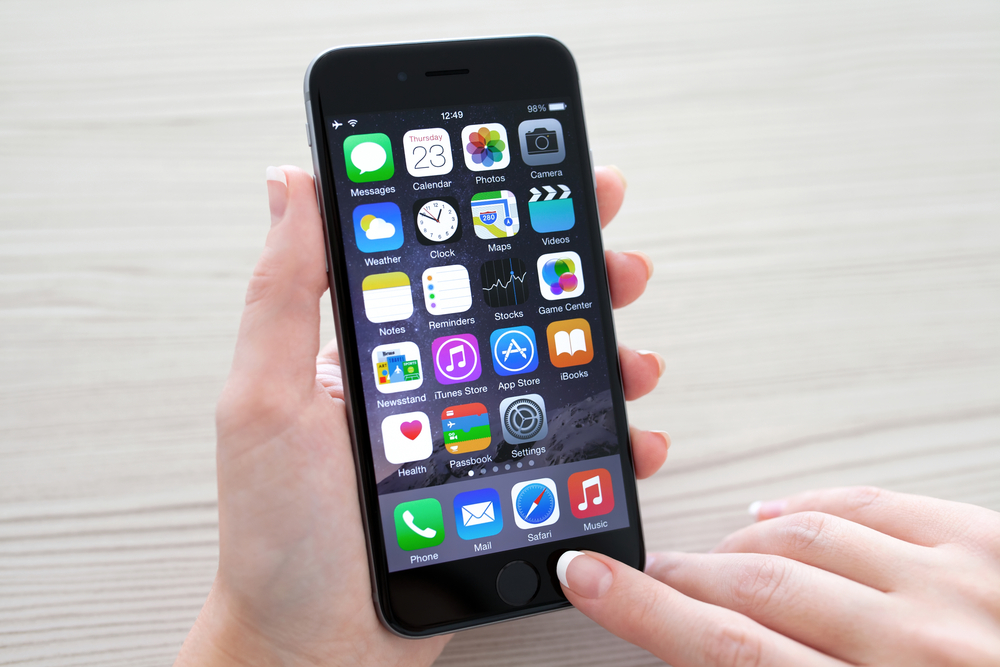
In today's fast-paced digital world, where smartphones have become an integral part of our lives, mobile apps have become the go-to tool for businesses looking to engage with their customers. With millions of apps competing for attention in various app stores, it's crucial to have a well-thought-out marketing strategy to ensure the success of your mobile app. In this article, we will walk you through some expert tips and tricks to help you master mobile Android or iOS app marketing and promote your app effectively.
1. Define Your Target AudienceBefore you begin promoting your mobile app , it's essential to identify your target audience. Knowing who your app is designed for will help you tailor your marketing efforts towards the right audience. Conduct market research to understand the demographics, interests, and preferences of your potential users. This information will be invaluable when crafting your app's messaging, designing promotional materials, and choosing the right marketing channels.
2. Optimize Your App Store Listing
The first point of contact between your app and potential users is your app store listing. Whether it's the Apple App Store, Google Play Store, or any other platform, make sure your app store listing is optimized to attract attention. Use captivating screenshots, an engaging app icon, and a concise yet informative app description. Include relevant keywords in your app's title and description to improve its visibility in search results. Invest time in optimizing your listing, as it can significantly impact your app's discoverability and conversion rates.
3. Leverage Social Media Platforms
Social media is an excellent channel for promoting your mobile iOS or Android app as it allows you to reach a vast audience quickly. Create profiles for your app on popular social media platforms like Facebook, Instagram, Twitter, and LinkedIn. Share engaging content related to your app, such as tutorials, updates, and user testimonials. Collaborate with influencers in your niche to reach a more targeted audience. Paid social media advertising can also be effective in capturing the attention of potential users.
4. Implement App Store Optimization (ASO)
App Store Optimization is a crucial aspect of mobile App Store or Google Play app marketing that aims to improve your app's visibility in app store search results. Similar to Search Engine Optimization (SEO), ASO involves optimizing your app's listing with relevant keywords, compelling descriptions, and attractive visuals. Regularly analyze your app's performance using ASO tools and make necessary changes to increase its visibility and drive organic downloads.
5. Encourage User Reviews and Ratings
Positive app reviews and ratings play a crucial role in building trust and credibility among potential users. Encourage your users to leave reviews and ratings by integrating a prompt within your app. Respond to both positive and negative reviews promptly and professionally. Addressing user feedback and continuously improving your app based on their suggestions will not only help in retaining existing users but also attract new ones.
6. Engage with Your User Community
Building a strong user community is an effective way to promote your mobile Google Play or App Store app and increase user engagement. Create an online forum or discussion board where users can interact with each other, share experiences, and seek help. Actively engage with your user community by addressing queries, providing updates, and organizing contests or giveaways. User-generated content, such as app reviews, testimonials, and case studies, can also be shared to further enhance your app's reputation.
7. Offer Incentives and Referral Programs
Humans are naturally inclined towards incentives. Encourage your users to share your app by implementing referral programs or offering rewards for inviting friends. Incentivize users to leave reviews or ratings by providing in-app rewards or unlocking additional features. These strategies not only increase user engagement but also help in word-of-mouth promotion, which is highly valuable for mobile app success.
8. Collaborate with Influencers and Bloggers
Partnering with influencers and bloggers in your industry can give your mobile app a significant boost in visibility. Reach out to relevant influencers and offer them a free trial or access to exclusive features of your app. In return, they can review or promote your app on their social media channels or blogs, exposing it to their large audience. Make sure to choose influencers whose followers align with your target audience for maximum impact.
9. Utilize App Analytics
To make informed marketing decisions, it's crucial to analyze the performance of your mobile app. Implement a robust app analytics solution to track and measure various metrics such as user acquisition, user engagement, retention rates, and in-app purchases. Analyzing this data will help you identify the most effective marketing channels, understand user behavior, and optimize your app's performance accordingly.
10. Take Advantage of Paid Advertising
While organic marketing efforts are crucial, don't underestimate the power of paid advertising. Platforms like Google Ads, Facebook Ads, and Instagram Ads offer highly targeted advertising options to reach your ideal audience. Design compelling ad creatives that highlight the unique features and benefits of your mobile app. Set clear goals, monitor your ad campaigns regularly, and make necessary adjustments to maximize your return on investment.
Frequently Asked Questions:
Q1. How long does it take to see results from mobile app marketing efforts?A1. The timeline for seeing results from mobile app marketing can vary depending on various factors such as your app's niche, target audience, marketing channels, and the competitiveness of your industry. Generally, it takes consistent efforts over a few months to start seeing significant results.
Q2. How important are app store reviews and ratings?
A2. App store reviews and ratings have a significant impact on users' decision-making process. Positive reviews and high ratings improve your app's credibility and increase the chances of it being downloaded. It's crucial to encourage users to leave reviews and respond promptly to their feedback.
Q3. Should I focus on organic marketing or paid advertising for my mobile app?
A3. Both organic marketing and paid advertising play crucial roles in promoting a mobile app. Organic marketing efforts, such as App Store Optimization, content marketing, and social media engagement, help in building a strong user base over time. Paid advertising, on the other hand, can provide quick visibility and drive targeted traffic to your app.
Q4. How can I measure the success of my mobile app marketing campaigns?
A4. Implementing app analytics is the key to measuring the success of your mobile app marketing campaigns. Track metrics such as downloads, user engagement, retention rates, and in-app purchases to assess the effectiveness of your marketing efforts. Use this data to make data-driven decisions and optimize your marketing strategy.
Q5. Is it necessary to update my app regularly?
A5. Regular app updates are essential to keep your app up-to-date with the latest operating systems and user expectations. It's crucial to fix bugs, introduce new features, and improve performance based on user feedback. Regular updates also signal to users that your app is actively maintained, enhancing their trust and loyalty.
In conclusion, mastering mobile app marketing requires a well-rounded approach that combines several strategies and channels. By defining your target audience, optimizing your app store listing, leveraging social media, implementing ASO, and engaging with your user community, you can increase your mobile app's visibility and drive organic growth. Additionally, utilizing paid advertising, collaborating with influencers, and analyzing app analytics will further amplify your app's success. Remember, mobile app marketing is an ongoing process, and continuous efforts are required to maintain a competitive edge in the ever-evolving app market.
Other useful resources
- https://en.wikipedia.org/wiki/App_store
- https://www.appguru24.com/services/app-developer/
- https://simple.wikipedia.org/wiki/App_Store_(iOS)